Korean Facial vs Traditional Facial: What Canberra Clients Should Know
When people start looking for a facial in Canberra, they often run into a simple but important question: should they choose a Korean facial or a traditional facial?
At first glance, the two may sound quite similar. Both are designed to improve the look and feel of the skin. Both can include cleansing, exfoliation, hydration, and professional products. And both can leave you feeling refreshed. But once you look a little closer, the difference becomes much more interesting.
A traditional facial is often focused on general skin maintenance, relaxation, and targeted treatment for common concerns like dryness, congestion, or dullness. A Korean facial, on the other hand, is usually more layered in approach. It tends to place strong emphasis on hydration, skin balance, barrier support, glow, and the kind of healthy, dewy finish that people often associate with K-beauty.
That does not mean one is always better than the other. The right choice depends on your skin goals, your lifestyle, your sensitivity level, and the type of results you want to prioritise. At Sycamore Medi Spa’s Korean Style Facial Treatment, the treatment is presented as a multi-step facial inspired by Korean skincare traditions, with a focus on cleansing, exfoliation, nourishment, and a radiant “glass skin” finish.
In this guide, we will break down the real differences between a Korean facial and a traditional facial, what each one is best suited for, and how Canberra clients can decide which option makes more sense for their skin.
What people usually mean by a traditional facial
The term “traditional facial” covers a fairly wide category. In many clinics, it refers to a professional facial treatment that follows a familiar structure: cleanse, exfoliate, extract if needed, apply a mask, then finish with serums, moisturiser, and sun protection.
The strength of a traditional facial is its versatility. It can be tailored for different skin types and concerns, and it often blends visible skin benefits with a relaxing treatment-room experience. For many people, that balance is exactly what makes it appealing.
A traditional facial may focus on:
- deep cleansing for congested skin
- gentle exfoliation to improve skin texture
- calming products for sensitive or reactive skin
- nourishing steps for dry or tired-looking skin
It is also often the facial people start with when they are new to professional skincare. The format feels familiar, easy to understand, and less intimidating than more advanced treatment categories.
At the same time, “traditional” does not necessarily mean basic. A clinic can still make a traditional facial feel premium through product quality, practitioner skill, customisation, and technology-enhanced add-ons. For example, Sycamore also offers a Luxury Facial Care Treatment, which shows how a more classic facial direction can still be elevated with professional protocols and advanced skincare products.
What makes a Korean facial different
A Korean facial is often shaped by the broader philosophy behind Korean skincare. Instead of focusing only on one immediate correction, it typically aims to improve the overall condition of the skin through layering, hydration, comfort, and consistency.
That is why people are often drawn to Korean-style treatments when they want skin that looks fresh, smooth, plump, and luminous rather than just “cleaned.” The glow is part of the appeal, but the method behind it is what matters. Korean facials often pay close attention to skin barrier comfort, product layering, and a more gentle, skin-respecting treatment flow.
In practical terms, a Korean facial may place extra focus on:
- multiple lightweight hydration steps instead of one heavy finish
- soothing ingredients that support balance and comfort
- glow and radiance rather than a harsh stripped-clean feeling
- facial massage or circulation-supportive techniques that enhance freshness
This style can be especially appealing for clients who feel their skin is dull, dehydrated, tired, or out of balance. It may also suit people who want a polished, healthy-looking complexion before an event, or who are simply trying to maintain a more refined and consistent skincare routine.
That rising interest is not surprising. More clients are becoming educated about the idea that skin does not always need aggressive treatment to look better. Sometimes it responds best to a smart combination of cleansing, gentle exfoliation, hydration, and barrier support. General dermatology resources also note the importance of moisturising and skin barrier support in maintaining healthy skin.
The biggest difference is not style. It is treatment goal.
This is where many people get confused.
A Korean facial and a traditional facial can sometimes include similar steps. The real difference often comes down to the treatment goal and how the facial is designed to get there.
A traditional facial may be more likely to prioritise one of the following:
- maintenance
- cleansing
- relaxation
- short-term skin refresh
- targeted correction for a common issue
A Korean facial is more likely to prioritise:
- layered hydration
- glow and radiance
- skin balance
- a smooth, refined skin finish
- long-term support for healthier-looking skin
That difference in treatment philosophy affects everything else, from the products chosen to the pace of the facial to the post-treatment result.
If your ideal result is “my skin feels clean and refreshed,” a traditional facial may be perfect. If your ideal result is “my skin looks brighter, bouncier, and more luminous,” a Korean facial may be the more natural fit.
Which treatment is better for dry, dull, or tired-looking skin?
For many Canberra clients, this is the most important part of the decision.
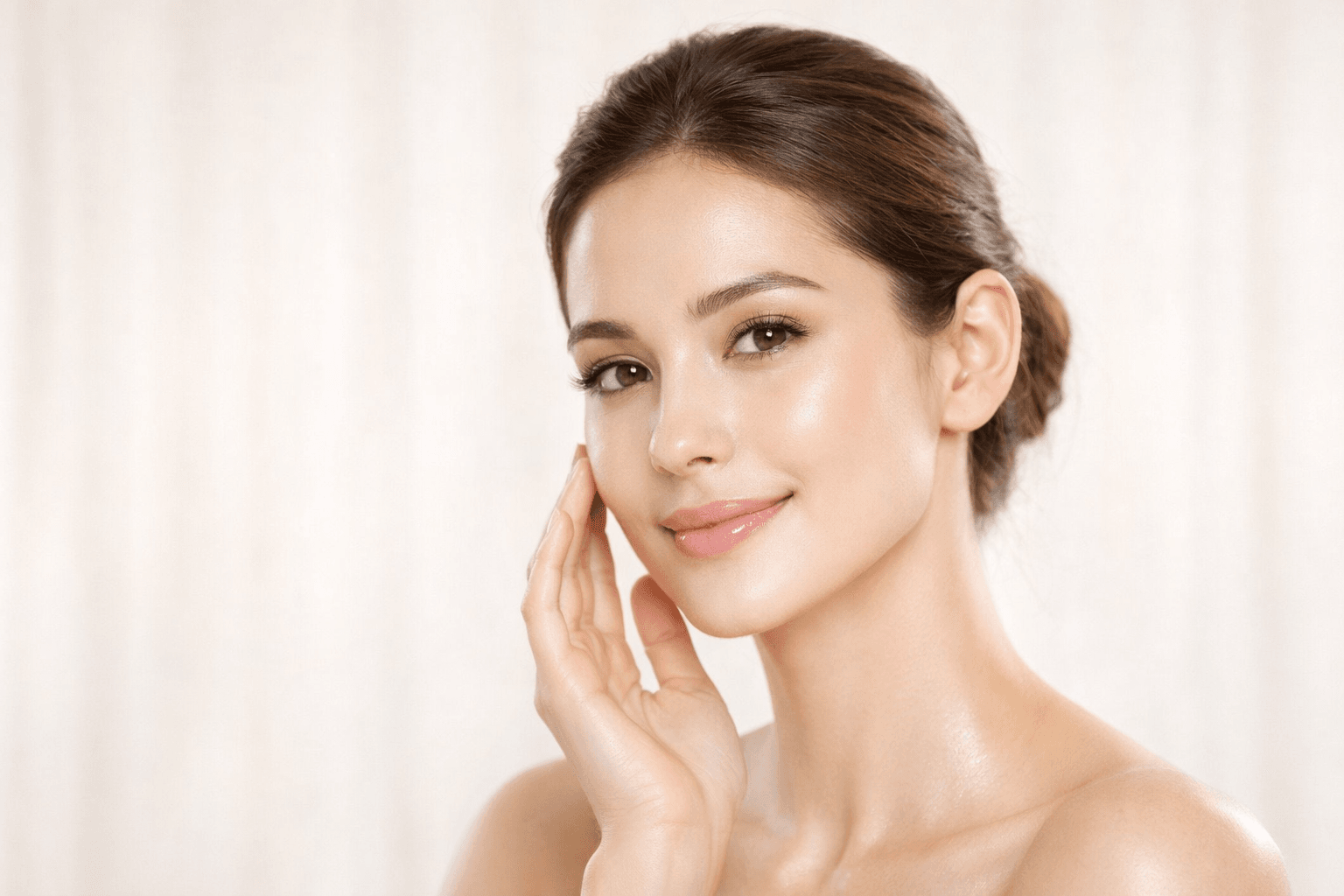
Dry and dull skin often does not just need exfoliation. It also needs water balance, supportive ingredients, and a treatment that avoids overdoing things. That is one reason Korean-style facials have become so popular. They often align well with the needs of skin that looks flat, rough, dehydrated, or stressed.
A Korean facial may be a strong choice if your skin often feels:
- dehydrated even when you use moisturiser
- dull or lacking radiance
- tight after cleansing
- uneven in texture from dryness rather than congestion
A traditional facial may be the better first step if your main concern is:
- surface congestion
- blackheads
- infrequent skincare maintenance
- wanting a straightforward, familiar facial experience
Of course, real skin is rarely that simple. Some people have dehydration and congestion at the same time. Others have sensitivity, redness, and occasional breakouts. That is why the clinic’s assessment matters so much. A good practitioner will not just recommend a facial based on a trend. They will look at what your skin is actually doing.
Which one is better if you want glow before an event?
If you are preparing for a wedding, photoshoot, social event, or special occasion, glow usually becomes the priority.
In that situation, a Korean facial often stands out. The layered, luminous finish suits people who want skin to look healthier and fresher without appearing over-treated. The “glass skin” idea is not about looking shiny. It is about looking smooth, hydrated, even, and well cared for.
That said, timing still matters. No facial should be booked blindly right before an event, especially if your skin is sensitive or you are trying a new treatment for the first time.
A smart pre-event strategy usually includes:
- booking ahead rather than leaving it to the last minute
- choosing a treatment your skin is likely to tolerate well
- avoiding unnecessary irritation before makeup or prolonged sun exposure
- following simple post-care, especially hydration and sun protection
Daily sun protection remains one of the most important parts of maintaining facial results, and Cancer Council Australia recommends SPF50 or SPF50+, broad-spectrum, water-resistant sunscreen applied correctly.
Korean facial vs traditional facial for sensitive skin
Sensitive skin adds another layer to the decision.
Some people assume Korean facials are automatically better for sensitive skin because they sound gentler. Sometimes that is true, but not always. What matters more is the exact treatment design, ingredient selection, and how well the facial is matched to your skin.
A well-designed Korean facial can be excellent for sensitivity if it focuses on calming, hydration, and barrier support. But a well-designed traditional facial can also work beautifully if it avoids unnecessary irritation and uses appropriate products.
If your skin is sensitive, ask these questions before booking:
- Is the facial customised for sensitivity?
- Will strong exfoliation or extractions be included?
- Are there fragrance-heavy or active-heavy steps involved?
- What kind of aftercare should you follow in the next 24 to 48 hours?
This is one reason clinic philosophy matters. On its About Us page, Sycamore Medi Spa describes its approach as both scientific and holistic, with evidence-based protocols and a focus on long-term skin health rather than surface-level results alone. That kind of positioning is helpful for clients who want more than a one-size-fits-all facial.
The treatment experience can feel quite different
Another thing clients notice is that these two facial categories can feel different in the room.
A traditional facial may feel more familiar and direct. There is often a clear sequence, and in some cases the result feels “cleaner” or more purified immediately after treatment.
A Korean facial often feels more layered and sensory. The experience may be gentler, more hydration-focused, and more centred around creating a supple, settled complexion. Instead of chasing an intense feeling, it may leave the skin feeling comfortably nourished and polished.
That difference in experience matters because skincare is not just about what happens on the skin’s surface. It is also about whether the treatment fits your comfort level and expectations.
Some clients love the feeling of a classic facial clean-out. Others prefer the softer, more elegant finish that a Korean facial can deliver.
How to choose the right facial in Canberra
When comparing options, many people focus too much on the name of the treatment and not enough on the treatment plan.
A better way to choose is to ask:
What is my actual skin goal right now?
If your answer is “I want a brighter, more hydrated, more refined look,” a Korean facial may be the stronger option. If your answer is “I want a practical skin reset and a good all-round maintenance facial,” a traditional facial may suit you perfectly.
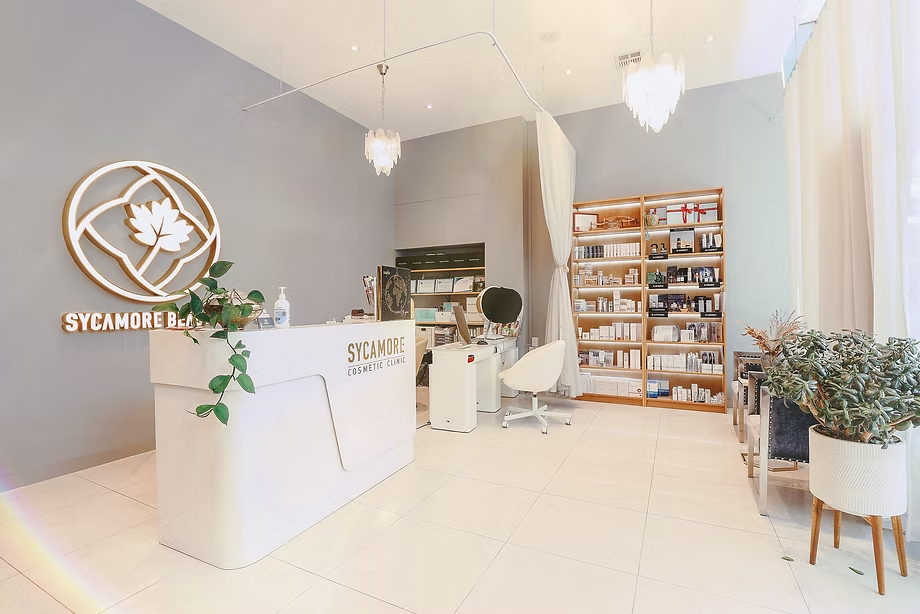
You should also look at whether the clinic offers enough range to guide you properly. A clinic with multiple facial and skin treatment pathways can usually make better recommendations than one that pushes the same treatment for everyone.
For example, beyond its Korean-style option, Sycamore also highlights broader facial, skin, and rejuvenation services on its website, which gives clients more room to choose based on actual needs rather than just trends. If you are also exploring treatment bundles or seasonal value, their promotion page is worth checking as part of the decision-making process.
A simple way to decide
If you still feel undecided, this quick guide can help.
Choose a traditional facial if you want:
- a classic and familiar treatment format
- general maintenance and cleansing
- a simple facial reset
- a practical starting point for professional skincare
Choose a Korean facial if you want:
- more hydration-focused care
- a dewy, healthy-looking glow
- a smoother, more refined finish
- a treatment that supports comfort and skin balance
Choose either one only after speaking with a professional if you have:
- highly reactive skin
- recent irritation or a damaged skin barrier
- active breakouts that need more targeted support
- uncertainty about what your skin actually needs
Final thoughts
The best facial is not always the trendiest one. It is the one that matches your skin’s current condition, your goals, and your tolerance level.
A traditional facial still has real value. It can be reliable, effective, and exactly what many people need for regular maintenance. But if your focus is hydration, radiance, skin comfort, and that polished glow associated with modern K-beauty, a Korean facial may offer a more targeted fit.
For Canberra clients, the smartest approach is not to ask which facial is universally better. It is to ask which facial is better for your skin right now.
That is where a thoughtful consultation, a well-designed treatment menu, and a clinic that understands both results and skin health can make all the difference.