The Layered Skin Approach: How Sycamore Combines Laser, Microneedling and Ultherapy for Better Results
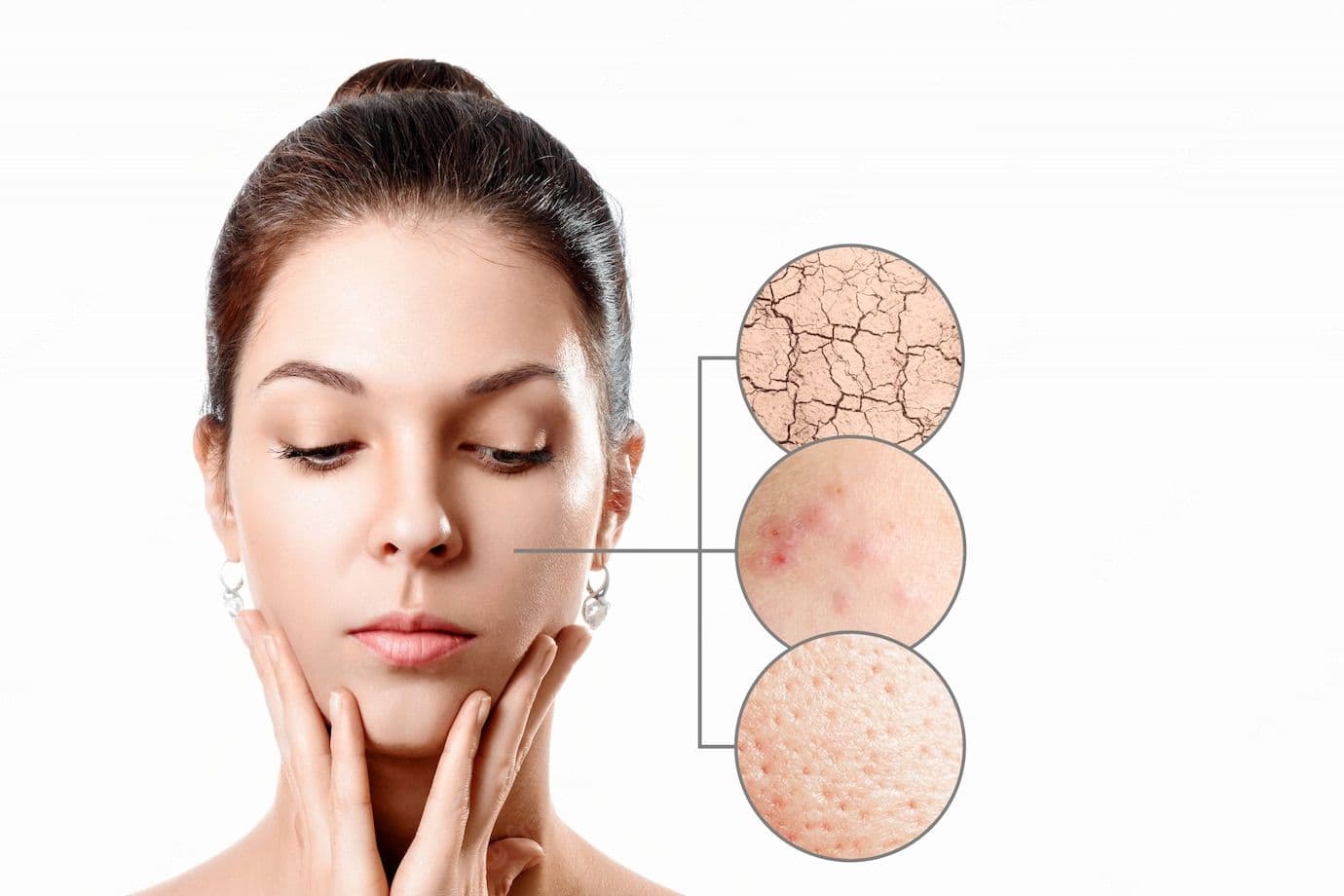
If you’ve ever felt overwhelmed by the number of skin treatments available — laser, microneedling, Ultherapy, facials, peels — you’re not alone. One of the most common questions we hear in clinic is:
“Which treatment is the best?”
The honest answer is: there isn’t one single ‘best’ treatment.
Great skin results rarely come from doing more treatments. They come from doing the right treatments, in the right order, for the right skin concern. This philosophy is what we call the Layered Skin Approach.
At Sycamore Medi Spa Canberra, advanced skin treatments are not viewed as isolated solutions. Instead, laser, microneedling and Ultherapy are combined strategically to address tone, texture and structure — the three pillars of healthy, resilient skin.
In this article, we’ll explain how this layered approach works, why combining treatments often delivers better and longer-lasting results, and how it’s applied safely and effectively for clients seeking real skin transformation in Canberra.
Why One Treatment Alone Often Isn’t Enough
Skin concerns rarely exist in isolation.
Pigmentation often appears alongside uneven texture. Acne scars can coexist with early skin laxity. Fine lines may be more visible when skin tone is uneven. Treating only one layer of the skin can improve part of the problem — but leave the rest untouched.
This is why single-treatment approaches often lead to:
- Partial improvement, but not full satisfaction
- Results that plateau quickly
- Skin concerns returning over time
The layered skin approach addresses multiple skin layers and functions, creating more balanced, stable and natural-looking outcomes.
Understanding the Three Layers of Skin Health
To understand why combining treatments works so well, it helps to understand how the skin functions.
1. Skin Tone — Clarity and Pigmentation
Skin tone refers to the evenness of your complexion. Common concerns include:
- Sunspots
- Freckles
- Melasma
- Post-acne pigmentation
Uneven tone is primarily driven by melanin activity and UV exposure, which is why laser pigmentation removal plays such an important role in treatment planning.
2. Skin Texture — Surface Quality and Resilience
Texture is about how the skin feels and reflects light. Issues include:
- Enlarged pores
- Acne scarring
- Fine lines
- Rough or dull skin
Texture concerns live closer to the surface and respond well to microneedling, which stimulates collagen renewal and strengthens the skin barrier.
3. Skin Structure — Firmness and Support
Structure refers to what’s happening deeper in the skin — particularly collagen and elastin support.
As we age, collagen production slows, leading to:
- Skin laxity
- Sagging around the jawline
- Loss of facial definition
This is where Ultherapy in Canberra becomes an essential part of a layered approach, providing non-surgical face lifting and tightening by stimulating deep collagen production.
Step One: Laser for Pigmentation and Tone
Laser treatment is often the first layer addressed because pigmentation can block light, reflect unevenly, and make other skin concerns appear more pronounced.
Professional laser treatments work by:
- Targeting excess melanin
- Breaking pigment into smaller particles
- Allowing the body to naturally clear discolouration
By improving skin tone first, the skin becomes a clearer canvas — allowing subsequent treatments to work more effectively.
Learn more about Sycamore’s laser pigmentation treatments here.
Step Two: Microneedling for Texture and Repair
Once pigmentation is stabilised, microneedling is often introduced to improve texture and strengthen the skin barrier.
Microneedling in Canberra is commonly used to:
- Reduce acne scarring
- Refine pores
- Improve fine lines
- Support skin healing after laser
By creating controlled micro-channels in the skin, microneedling stimulates collagen production while improving overall skin resilience.
Explore advanced skin treatments here.
Step Three: Ultherapy for Lifting and Long-Term Support
Ultherapy targets the deepest layers of the skin using focused ultrasound energy — the same foundational layers addressed in surgical lifting, but without incisions or downtime.
Unlike surface treatments, Ultherapy works beneath the skin to:
- Stimulate new collagen production
- Lift and tighten facial tissue over time
- Strengthen the skin’s structural framework
According to Merz Aesthetics, the developers of Ultherapy, micro-focused ultrasound energy triggers a natural regenerative response that continues for months after treatment, leading to gradual and natural-looking improvement.
When combined with laser and microneedling, Ultherapy helps lock in results, ensuring improvements in tone and texture are supported by strong underlying structure.
Learn more about Ultherapy PRIME here.
Ultherapy targets the deepest layers of the skin using focused ultrasound energy.
Unlike surface treatments, Ultherapy works beneath the skin to:
- Lift and tighten facial tissue
- Strengthen structural support
- Improve skin firmness over time
When combined with laser and microneedling, Ultherapy helps lock in results, ensuring improvements in tone and texture are supported by strong underlying structure.
Why the Order of Treatments Matters
When it comes to advanced skin treatments, what you do is important — but when you do it is just as critical.
Skin is a living organ. It responds to stimulation, inflammation and healing signals in very specific ways. If treatments are layered without a clear strategy, the skin can become overwhelmed rather than improved.
Poor sequencing can lead to:
- Increased inflammation and prolonged redness
- Reduced effectiveness of each treatment
- Higher risk of post-inflammatory pigmentation
- Slower collagen regeneration
This is why at Sycamore, treatment plans are staged intentionally. Pigmentation is stabilised first, texture is rebuilt second, and structural support is strengthened last. This sequence allows each treatment to enhance the next, rather than compete with it.
By respecting the skin’s natural healing timeline, results become more predictable, more natural-looking, and longer-lasting.
The sequence of treatments is just as important as the treatments themselves.
A poorly planned order can:
- Increase inflammation
- Reduce treatment effectiveness
- Increase the risk of rebound pigmentation
At Sycamore, treatment plans are carefully staged to allow the skin time to heal, adapt and strengthen between sessions.
Who Is the Layered Skin Approach Best For?
The layered skin approach is not about doing everything — it’s about doing what makes sense for your skin.
This method is particularly effective for:
- Clients with multiple overlapping concerns (pigmentation + texture + laxity)
- Pigmentation that repeatedly returns after single treatments
- Adult acne combined with early signs of ageing
- Clients who want visible results without looking over-treated
Research in dermatology consistently shows that combination treatments targeting different skin depths lead to more comprehensive rejuvenation than single-modality approaches.
For example, the American Academy of Dermatology highlights that treatments stimulating collagen at different levels of the skin can improve both surface quality and structural support when appropriately combined.
This reinforces why a layered approach is not a trend — but a clinically supported strategy.
This approach is particularly effective for:
- Clients with multiple skin concerns
- Pigmentation that keeps returning
- Acne scarring combined with early ageing
- Clients seeking natural-looking face lifting and tightening
Rather than chasing quick fixes, the layered approach focuses on long-term skin health.
Why Choose Sycamore Medi Spa in Canberra?
Since 2015, Sycamore Medi Spa has helped clients across Canberra achieve clearer, stronger and more confident skin.
The Sycamore difference includes:
- Advanced, medically guided technology
- Personalised treatment planning
- A calm, supportive clinical environment
- Emphasis on safety, education and results
Learn more about the Sycamore team and philosophy here.
Mini FAQ: Common Questions About Combining Skin Treatments
Can I do laser, microneedling and Ultherapy together?
Yes — when planned correctly. These treatments target different layers of the skin and are most effective when spaced appropriately rather than performed all at once.
Will combining treatments increase downtime?
Not necessarily. In many cases, strategic sequencing actually reduces overall downtime by preventing excessive inflammation and supporting better healing.
Is a layered approach safe for sensitive skin?
When guided by experienced clinicians, treatments can be adjusted to suit sensitive or reactive skin types. Personalisation is key.
Final Thoughts: Better Results Come From Smarter Planning
Skin transformation isn’t about doing everything at once — it’s about doing what your skin actually needs, at the right time.
By combining laser, microneedling and Ultherapy in a thoughtful, layered way, Sycamore Medi Spa helps clients achieve results that look natural, feel healthy, and last.
If you’re ready to move beyond one-size-fits-all treatments, a layered approach may be the missing piece your skin has been waiting for.
Skin transformation isn’t about doing everything at once — it’s about doing what your skin actually needs.
By combining laser, microneedling and Ultherapy in a thoughtful, layered way, Sycamore Medi Spa helps clients achieve results that look natural, feel healthy, and last.
If you’re ready to move beyond one-size-fits-all treatments, a layered approach may be the missing piece your skin has been waiting for.