Stop Covering Acne Scars — Start Rebuilding Your Skin with Microneedling in Canberra
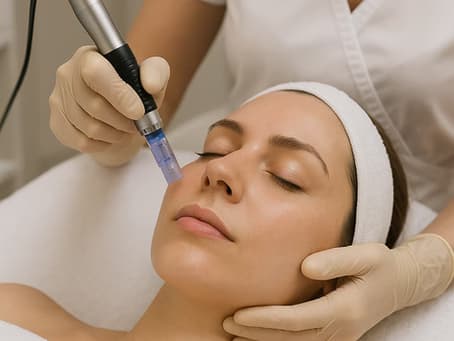
If you’ve been layering concealer over acne scars for years, you’re not alone. For many people, acne may be long gone — but the texture changes, pitted scars and uneven tone remain. Makeup can soften the appearance, good lighting can help, and filters can blur imperfections. But none of those actually change the skin itself.
That’s where microneedling in Canberra has become a turning point for many clients.
Rather than disguising scars, professional microneedling works by encouraging your skin to repair and rebuild itself from within. It’s not about covering damage. It’s about stimulating collagen production, improving texture, and gradually restoring smoother, healthier-looking skin.
At Sycamore, we see this shift happen often. Clients arrive feeling frustrated after trying topical treatments, peels, or at-home devices with limited results. What they want is not a temporary fix — they want structural improvement. Microneedling offers exactly that.
Why Acne Scars Don’t Fade on Their Own

Acne scars are not just surface marks. Many are the result of collagen loss beneath the skin. When inflammation damages deeper layers, the skin’s support structure weakens, creating indentations or uneven texture.
Unlike pigmentation, which can sometimes fade over time, atrophic scars (such as boxcar or rolling scars) remain because the underlying collagen matrix has changed.
According to the American Academy of Dermatology, acne scarring often requires in-clinic treatments that stimulate collagen production to improve texture and depth rather than relying on topical skincare alone.
This is why microneedling in Canberra has become increasingly popular among people seeking long-term structural improvement rather than cosmetic camouflage.
What Is Microneedling — And How Does It Actually Work?
Microneedling, sometimes referred to as collagen induction therapy, uses controlled micro-injuries created by fine needles to trigger the skin’s natural wound-healing response. While the word “injury” sounds intense, these micro-channels are precise and intentional.
Here’s what happens beneath the surface:
- Micro-channels stimulate fibroblasts.
- Fibroblasts produce new collagen and elastin.
- Skin gradually becomes firmer, smoother and more even in texture.
- Scar depth softens over time.
The result isn’t instant — and that’s actually a good sign. Real collagen remodelling takes time. Over a series of treatments, skin quality improves in a way that looks natural rather than artificial.
For those interested in the clinical background, Healthdirect Australia explains that skin needling is commonly used for acne scarring and rejuvenation when performed by trained professionals.
Professional microneedling in Canberra differs significantly from at-home rollers. Depth control, sterile technique, and customised treatment plans are what determine real outcomes.
Why Canberra Skin Needs a Smarter Approach
Living in Canberra presents unique skin challenges that many people underestimate. Unlike coastal cities with higher humidity, Canberra’s dry climate can leave the skin barrier more vulnerable to dehydration and irritation. Add to that the dramatic temperature shifts between seasons — icy winters, hot summers — and the skin is constantly adjusting to environmental stress. On top of this, Australia’s high UV index means cumulative sun exposure is a real factor in collagen breakdown and delayed healing.
When the skin barrier is compromised, recovery from breakouts can take longer, and post-acne marks may linger. Collagen production can also slow under repeated UV stress. That’s why treatments like microneedling in Canberra must be approached strategically rather than casually. It’s not just about performing the procedure — it’s about supporting the skin before, during and after the treatment cycle.
Microneedling performed within a structured treatment plan allows the skin to rebuild in a controlled environment. Pre-treatment preparation may focus on strengthening the barrier and ensuring inflammation is minimal. Post-treatment care often includes targeted hydration, gentle skincare and strict sun protection. In a climate like Canberra’s, SPF compliance isn’t optional — it’s essential to protect newly stimulated collagen.
Another reason microneedling in Canberra requires thoughtful planning is that dry environments can exaggerate skin texture concerns. Fine lines may appear deeper when the skin is dehydrated, and enlarged pores can look more noticeable when oil production fluctuates seasonally. By stimulating collagen and improving dermal density, microneedling helps restore structural support that counteracts these visual effects.
Many clients are surprised to learn that microneedling can also improve:
- Post-inflammatory hyperpigmentation
- Enlarged pores
- Fine lines
- Mild skin laxity
- Overall skin dullness
This broader impact happens because collagen remodelling affects overall skin architecture, not just isolated scars. As new collagen forms, texture becomes more even, light reflects more smoothly, and the complexion appears fresher.
In a city where climate stress and UV exposure are constant variables, treatments that strengthen the skin from within tend to deliver more sustainable results. That’s why microneedling in Canberra has become one of the most requested treatments for long-term skin refinement — not simply as a cosmetic enhancement, but as a strategic way to rebuild resilience in challenging environmental conditions.
Why Covering Acne Scars Isn’t the Same as Treating Them
It’s easy to fall into a cycle:
New breakout → Scar → Concealer → Avoid certain lighting → Repeat.
But when the focus shifts from hiding to rebuilding, the mindset changes as well. Instead of asking, “How can I cover this?” the question becomes, “How can I improve my skin structure?”
Makeup can enhance. Skincare can maintain. But structural repair requires stimulation of collagen at depth — something only in-clinic treatments can achieve effectively.
At Sycamore, consultations for microneedling in Canberra always begin with skin assessment. Not all scars respond identically. Some clients benefit from combining microneedling with other targeted skin treatments, depending on scar type and overall skin condition.
What Results Can You Realistically Expect?
Let’s set expectations clearly: microneedling is progressive, not instant.
After the first session, skin may appear slightly smoother due to temporary plumping. True improvement begins over the following weeks as collagen synthesis increases.
Most acne scar treatment plans involve:
- A series of sessions spaced several weeks apart
- Gradual softening of scar depth
- Improved texture and tone consistency
- Enhanced overall skin resilience
Clinical research published in dermatology journals has consistently shown that multiple sessions of microneedling can significantly improve atrophic acne scars with relatively low downtime compared to more aggressive resurfacing procedures. That balance — visible improvement without extended recovery — is one reason microneedling in Canberra continues to grow in popularity.
Does Microneedling Hurt?
This is one of the most common questions.
Professional clinics use topical numbing cream before treatment, which significantly reduces discomfort. Most clients describe the sensation as mild pressure or vibration rather than sharp pain.
After treatment, you can expect:
- Redness similar to mild sunburn (24–48 hours)
- Temporary skin sensitivity
- Slight dryness during healing
Because Canberra has strong UV exposure, strict sun protection is essential after treatment. The Cancer Council Australia strongly emphasises the importance of SPF use, particularly when skin is healing or more sensitive to sunlight.
At Sycamore, post-treatment guidance is carefully tailored to ensure optimal recovery and collagen stimulation.
Why Professional Microneedling Matters
With online retailers selling home rollers at low prices, it’s understandable why some people are tempted to try DIY microneedling. The idea sounds simple: create small punctures, stimulate collagen, improve skin. But in reality, the effectiveness and safety of microneedling depend heavily on precision, sterility and clinical judgement.
Professional microneedling in Canberra ensures far more than just “tiny needles on skin.” It involves:
- Controlled needle depth appropriate for scar type
- Medical-grade equipment with adjustable settings
- Reduced risk of infection or improper scarring
- Customised protocols based on skin thickness and healing response
Depth control is one of the biggest differences between professional devices and at-home rollers. Acne scars vary significantly — rolling scars require different penetration depth compared to shallow textural irregularities. A trained practitioner adjusts needle length in real time depending on treatment area (for example, cheeks vs temples vs jawline), ensuring stimulation reaches the dermal layer where collagen production occurs.
Sterility is another critical factor. Professional clinics follow strict infection-control protocols. Skin is properly cleansed, devices are sterile or single-use, and post-treatment products are selected to support healing rather than introduce irritation. DIY treatments often overlook these variables, increasing the risk of inflammation, post-inflammatory hyperpigmentation or even worsening scarring.
Collagen stimulation is highly dependent on accuracy. Too shallow may produce minimal structural improvement. Too deep without training can damage tissue, disrupt healing, or create new trauma. Microneedling is not about aggressive penetration — it’s about controlled, purposeful stimulation that encourages the skin to rebuild itself safely.
When rebuilding skin, precision is not optional. It is the difference between gradual refinement and unintended complications.
Is Microneedling Right for Everyone?
While microneedling suits many skin types and concerns, it isn’t automatically appropriate for every individual at every stage of their skin journey. Responsible treatment planning always begins with assessment.
Microneedling may not be suitable for individuals with:
- Active cystic acne
- Certain skin infections
- Uncontrolled inflammatory skin conditions
- Recent isotretinoin use (depending on timeframe)
- Compromised skin barrier integrity
Treating active, inflamed acne can spread bacteria and worsen irritation. Similarly, skin that is already inflamed or medically unstable may not respond predictably to controlled micro-injury. In these cases, the priority is first calming and stabilising the skin before introducing collagen-stimulating procedures.
A professional consultation helps determine not just suitability, but also timing. Some clients benefit from preparing the skin for several weeks before beginning microneedling. Others may need alternative treatments first. This sequencing ensures the skin is in the best possible condition to respond positively.
Thoughtful screening also considers lifestyle factors such as sun exposure, work commitments and recovery expectations. Because microneedling in Canberra requires diligent post-treatment sun protection, practitioners must ensure clients can realistically follow aftercare guidelines.
This careful evaluation process is what distinguishes structured, evidence-based treatment planning from generic or trend-driven approaches. Microneedling is highly effective — when it is used on the right skin, at the right time, in the right way.
Long-Term Skin Investment vs Quick Fix
The idea behind this article’s title is simple: stop covering, start rebuilding. Acne scars can impact confidence for years. The shift toward collagen stimulation treatments like microneedling represents a broader trend in aesthetic medicine — one focused on biological improvement rather than surface concealment.
Microneedling in Canberra isn’t about dramatic overnight transformation. It’s about:
- Encouraging your skin to repair itself
- Improving texture gradually
- Building resilience over time
- Supporting healthy ageing
When approached strategically, it becomes part of a broader skin journey rather than a one-off procedure.
Why Clients Choose Sycamore for Microneedling in Canberra
Choosing a clinic is about more than price. It’s about safety, experience, and treatment philosophy.
At Sycamore, microneedling protocols are tailored to scar type, skin thickness and recovery capacity. Treatment plans are structured to support collagen stimulation without overwhelming the skin.
Rather than offering a “one size fits all” solution, we focus on measured progression. That approach not only improves results — it protects skin integrity long term.
Clients often report that beyond visible improvements, they feel more comfortable leaving the house without heavy coverage. That confidence shift is just as meaningful as the physical change.
Final Thoughts: Rebuild, Don’t Hide
If acne scars have been part of your story for years, it’s understandable to feel frustrated. But the skin is remarkably capable of renewal when given the right stimulus.
Microneedling in Canberra offers a science-backed method of encouraging that renewal. It’s not about chasing perfection. It’s about improving texture, softening scars, and allowing your skin to function at a higher level.
You don’t have to keep covering.
You can rebuild.
If you’re considering microneedling in Canberra, booking a personalised Skin Consultation at Sycamore is the first step toward understanding what your skin truly needs — and what’s realistically achievable.
Real change happens beneath the surface.